Why does a family shortlist from the map?
A wedding or a family function is booked once and remembered for years, so people compare carefully. They open the map, look at the venues near them, check the photos, read what hosts wrote and then ring two or three. A hall that does not appear in that first scan, or appears with three dusty photos, never gets the call.
Photos of the hall in use
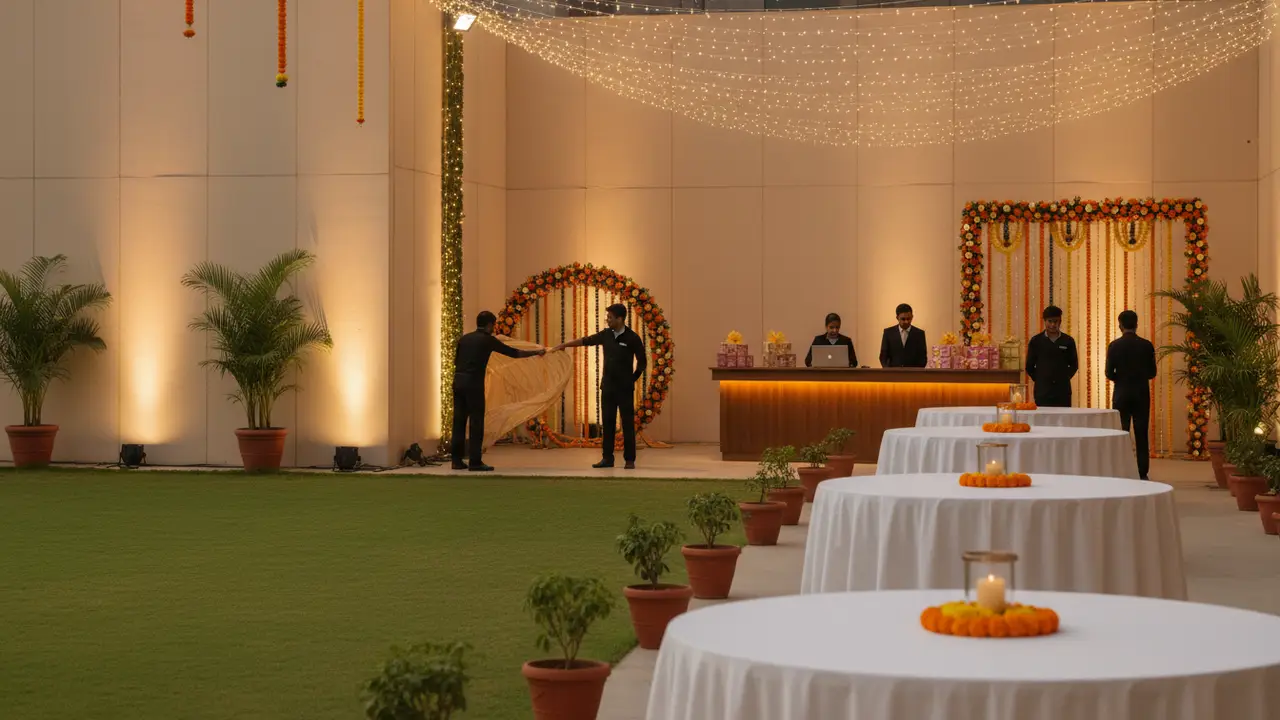
The commonest gap on venue profiles is that every photo is of an empty hall under work lights. Families want to see what the room looks like with tables laid, flowers on the stage and guests in it. Ask each host for permission to share a few photos of their event, and add them across the year so the profile shows the hall in different seasons and set-ups.
Capacity, parking and the day of the event
Reviews of banquet halls come back to the same practical points: how many guests fit comfortably, whether parking is enough for the cars that arrive, whether the air-conditioning and the power backup held, and how the staff handled problems. Stating capacity and parking plainly in the description answers these questions before they turn into complaints.
Three names for one hall
Some families say marriage hall, some banquet hall, some party hall. The profile should use each once in a natural way, in the description and the services, so it matches the search whichever word the family types. Do not stuff the venue’s name on Google with these words, which breaks the rules and does not help.
The season and the calendar
Booking activity builds up before the wedding seasons, and families ask for dates weeks and months ahead. Keep the enquiry hours accurate, and answer reviews promptly during those weeks. A host who sees a thoughtful reply to someone else’s complaint will trust you with their date.